
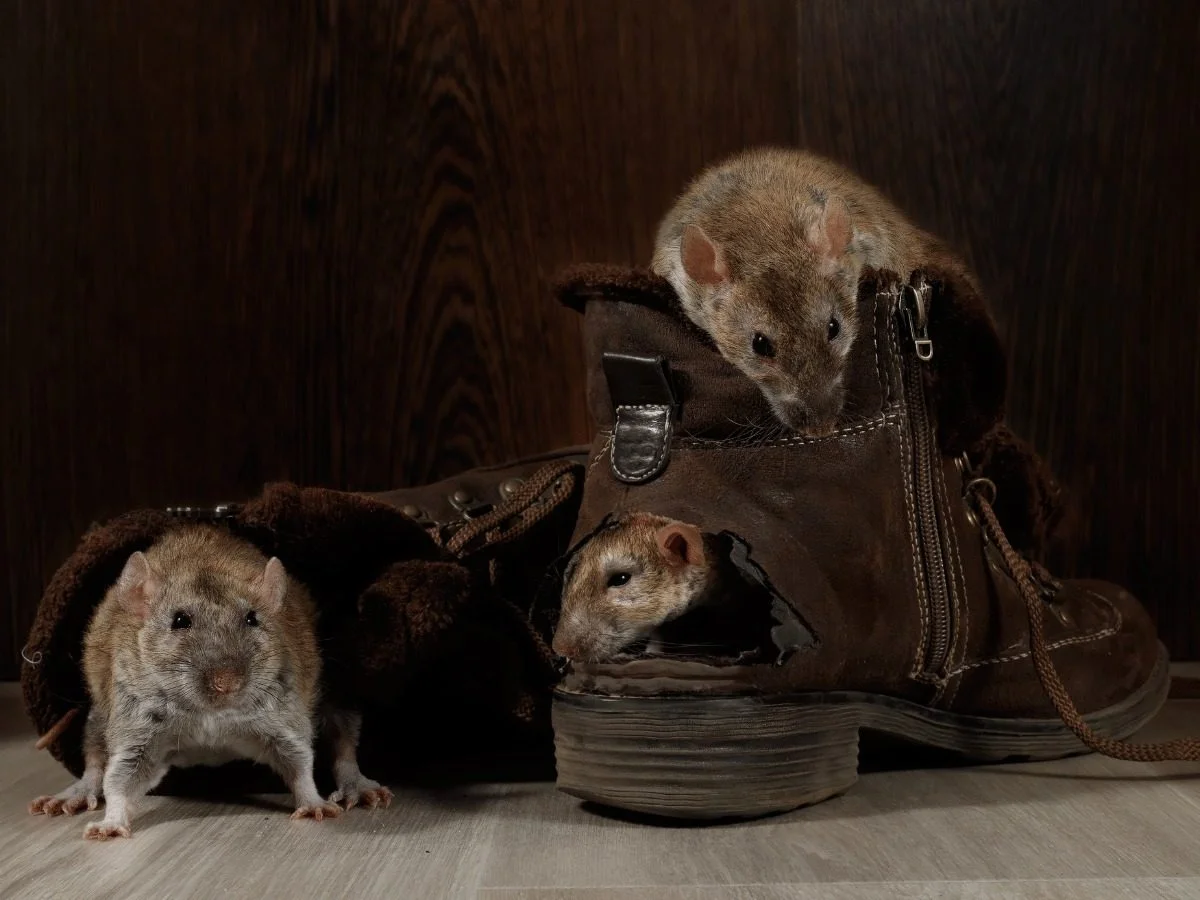
Meet the animal doing it: the pack rat
The white-throated woodrat, known locally as the pack rat, is native to this region and thoroughly at home here. It is not an invasive nuisance that wandered in — it lives in the mesquite, cactus, and caliche around Odessa, and your vehicle is simply the best shelter it has found.
What makes it a wiring problem specifically:
- It builds bulky nests, called middens, out of sticks, cactus segments, plant debris, trash, and whatever else is available — including insulation and wire coating.
- It collects and hoards objects, which is where the name comes from. Shiny hardware, bottle caps, small tools.
- It nests in engine compartments. A parked vehicle's engine bay is enclosed, elevated, sheltered from predators, and retains warmth after a drive. From a woodrat's perspective it is an excellent den site.
- It gnaws constantly. Like all rodents, its incisors grow continuously and have to be worn down. Wire insulation is soft, accessible, and doubles as nesting material.
- It targets the same vehicles repeatedly. Once a woodrat has established a midden, it and its successors keep using the site. This is why the damage repeats.
More on local species: Common Odessa Rodents »
What actually attracts rodents to a vehicle
Not the paint job. Three things:
1. Shelter. An engine bay is enclosed, off the ground, and hidden. In the summer it offers shade; after a drive and on a cold night it offers residual warmth. It is one of the best shelters on a typical Odessa property.
2. Chewable material. Wire looms, insulation, foam padding, and cabin air filters are all excellent nesting material. Whether that material is also attractive to eat is where the internet gets ahead of the facts — see below.
3. Being parked and undisturbed. A vehicle driven twice a day is a bad den. A truck, RV, boat, trailer, tractor, or second vehicle that sits for days at a stretch is an ideal one. This is the single strongest predictor of which vehicle on a property gets hit.
About the "soy-based wiring" claim
You have probably read that modern vehicles use soy-based wire insulation and that rodents are attracted to it. Here is the accurate version: many automakers have used bio-based materials, including soy derivatives, in wire coatings, and consumer lawsuits have alleged this attracts rodents. Automakers dispute the claim, and those suits have largely been dismissed. So treat "soy wiring attracts rats" as unproven, not established.
What is not in dispute: rodents chew vehicle wiring regardless of what it is made of, because they gnaw compulsively and because wire coating is useful nest material. The fix does not depend on settling the soy question — it depends on removing the animal and removing the habitat.
What it costs you when it happens
- Wiring harness repair or replacement. The cost swings enormously depending on which harness and how deep it sits. A single accessible wire is minor; a main engine or body harness buried under the intake is a major labor job. Contact your mechanic for repair estimates.
- Cascading electrical faults. Chewed sensor and ground wires throw codes that send diagnostics in the wrong direction, so you pay for chasing the symptom before anyone finds the bite.
- Cabin air filter and HVAC contamination. Nesting material and droppings in the blower and evaporator area means rodent contamination coming through your vents.
- Fluid and vacuum line damage. Woodrats chew rubber and plastic lines too.
- Fire risk. Damaged insulation on live conductors, surrounded by a nest of dry sticks and shredded material, sitting on a hot engine. This is the one to take seriously.
- Insurance. Rodent damage to a vehicle is often covered under comprehensive coverage rather than collision — but it varies by policy and carrier, and deductibles apply. Check your own policy rather than assuming either way.
- The repeat. Fix the wiring, leave the habitat, and it happens again. Woodrat middens are reused.
Why the repair shop can't solve this
Your mechanic can repair the harness expertly and still not stop it happening again — because the problem is not in your vehicle. It is in the twenty feet around where your vehicle parks.
Rodent control on a vehicle is a habitat and pressure problem, and it is addressed the same way any rodent problem is: find where the animals live, remove them, and remove the conditions supporting them. That is a pest and exclusion job, not a mechanical one. The shop fixes the damage; we address the cause.
How we handle it
- Free inspection of the vehicle area and the property. We find the midden — under the hood, in the wheel wells, on top of the fuel tank, inside the air box, behind the bumper, in the spare tire well, under a truck bed liner, inside RVs and trailers — and we find the source habitat: the mesquite, cactus, woodpile, shed, or clutter the animals are working from.
- Nest and contamination removal. The midden, droppings, urine-soaked material, and any food caches removed and the area cleaned. Rodent waste in an engine bay and cabin intake is a contamination issue, handled wetted rather than dry-swept. See rodent droppings cleanup.
- Trapping to remove the animals. Woodrats are territorial and site-loyal, so removing the resident animals matters. Traps placed at the midden and along the travel routes, not scattered hopefully around the driveway.
- Habitat modification — the part that lasts. Clear the harborage within striking distance of where you park: dense brush and mesquite pulled back, cactus and debris piles cleared, woodpiles moved off the ground and away from the parking area, clutter removed, pet food and bird seed secured, water sources fixed.
- Structural exclusion. If they are also getting into the garage, shed, shop, or house, we seal it — because a woodrat population living in your shop will keep working your vehicles. This is our core service: rodent exclusion & proofing.
- Ongoing pressure management where the property backs onto open land. On a rural or West Odessa lot with mesquite on three sides, this is a pressure problem you manage rather than a one-time event, and we will tell you that honestly instead of promising a permanent fix we cannot deliver.
What we do not do: electrical or mechanical repair. We remove the animals, the nest, and the habitat, and we document the damage we find so your shop or your insurer has it. Wiring repair goes to a qualified mechanic.
What you can do yourself
Genuinely useful, and free:
- Move the vehicle. A vehicle that gets driven is a poor den. Rotating a rarely used truck or RV even a few times a week helps more than any product.
- Park away from cover. Distance from mesquite, brush, woodpiles, and clutter is the highest-leverage change available to you.
- Open the hood periodically on a stored vehicle, or check it weekly. Catching a midden at day three is a different problem than catching it at week six.
- Clear the harborage within 20–30 feet of where you park.
- Secure pet food, bird seed, and water. Fix drips and leaks.
- Keep the garage sealed if you park inside — a garage with a ½-inch gap at the door corner is not shelter, it is an enclosure with rats in it.
- Do not bother with ultrasonic devices. No sealing, no removal, no mechanism.
- Rodent tape and repellent sprays are, at best, a marginal deterrent on a vehicle that is already being targeted, and they do nothing about the animal living twelve feet away. Do not treat them as the plan.
What it costs
| Service | Typical Odessa range |
|---|---|
| Inspection | Free |
| Nest removal & vehicle area cleanup | Contact us for a free estimate |
| Trapping & removal program | Contact us for a free estimate |
| Habitat modification & property treatment | Contact us for a free estimate |
| Structural exclusion (garage / shop / shed) | Contact us for a free estimate |
Price depends on how established the population is, lot size and surrounding cover, and how many structures and vehicles are involved. The inspection is free.
Frequently asked questions
Why are rats chewing the wiring in my car in Odessa?
The culprit is usually a pack rat (white-throated woodrat), which is native to West Texas and nests in engine compartments because they are enclosed, elevated, sheltered, and warm. It chews wiring because rodent incisors grow continuously and must be worn down, and because wire coating makes good nesting material. Vehicles that sit parked for days are targeted most.
Is it true that soy-based wiring attracts rodents?
Many automakers have used bio-based materials including soy derivatives in wire coatings, and lawsuits have alleged this attracts rodents — but automakers dispute the claim and those suits have largely been dismissed, so treat it as unproven. What is well established is that rodents chew wiring regardless of its composition, which is why the solution is removing the animal and its habitat rather than changing the wire.
How do I keep rats out of my car engine?
The most effective steps are habitat and behavior, not products: park away from mesquite, brush, woodpiles, and clutter; drive or move the vehicle regularly so it is not an undisturbed den; clear harborage within 20–30 feet of where you park; secure pet food, bird seed, and water sources; and seal the garage or shop if you park inside. Removing the resident woodrat population is what stops an active, repeating problem.
Does insurance cover rodent damage to a vehicle?
Rodent damage is often covered under comprehensive auto coverage rather than collision, but it depends on your specific policy and carrier and your deductible applies. Check with your insurer directly — do not assume it is covered or excluded.
Will this happen again after the wiring is repaired?
Yes, if only the wiring is repaired. Woodrat middens are reused by the same animal and its successors, so unless the nest, the animals, and the surrounding habitat are addressed, the vehicle stays a target. Repair fixes the damage; removal and habitat work fix the cause.
Do rodent repellent sprays or rodent tape work?
At best they are a marginal deterrent, and they do nothing about a woodrat living a few feet from where you park. On a vehicle already being targeted they should not be treated as the plan — removal and habitat modification are what change the outcome.
What is a pack rat midden?
A midden is the bulky nest a woodrat builds from sticks, cactus segments, plant debris, and scavenged material, often incorporating shiny objects it has collected. Finding one in an engine bay, wheel well, or air box confirms both the species and the fact that the site is being actively used.
Do you repair the chewed wiring?
No. We remove the animals, the nest, and the contamination, address the habitat, and document what we find — then a qualified mechanic handles the electrical repair. Keeping those separate means you get the right specialist for each half of the problem.
They're also in my AC unit. Same problem?
Same animal, and usually the same population. AC condensers are a parallel woodrat target for the same reasons — enclosed, sheltered, and warm. See AC unit rodent control.
I live out toward West Odessa with mesquite all around. Can this be fixed permanently?
Honestly: on a rural lot surrounded by native habitat, this is pressure you manage rather than eliminate. We can remove the resident animals, clear the harborage close to your structures and parking, and seal your buildings — and that changes the situation substantially. We are not going to promise a permanent end to a native species living on the land around you.
Main pages Rodent control in Odessa, TX·Commercial rodent control·How we work·What it costs