
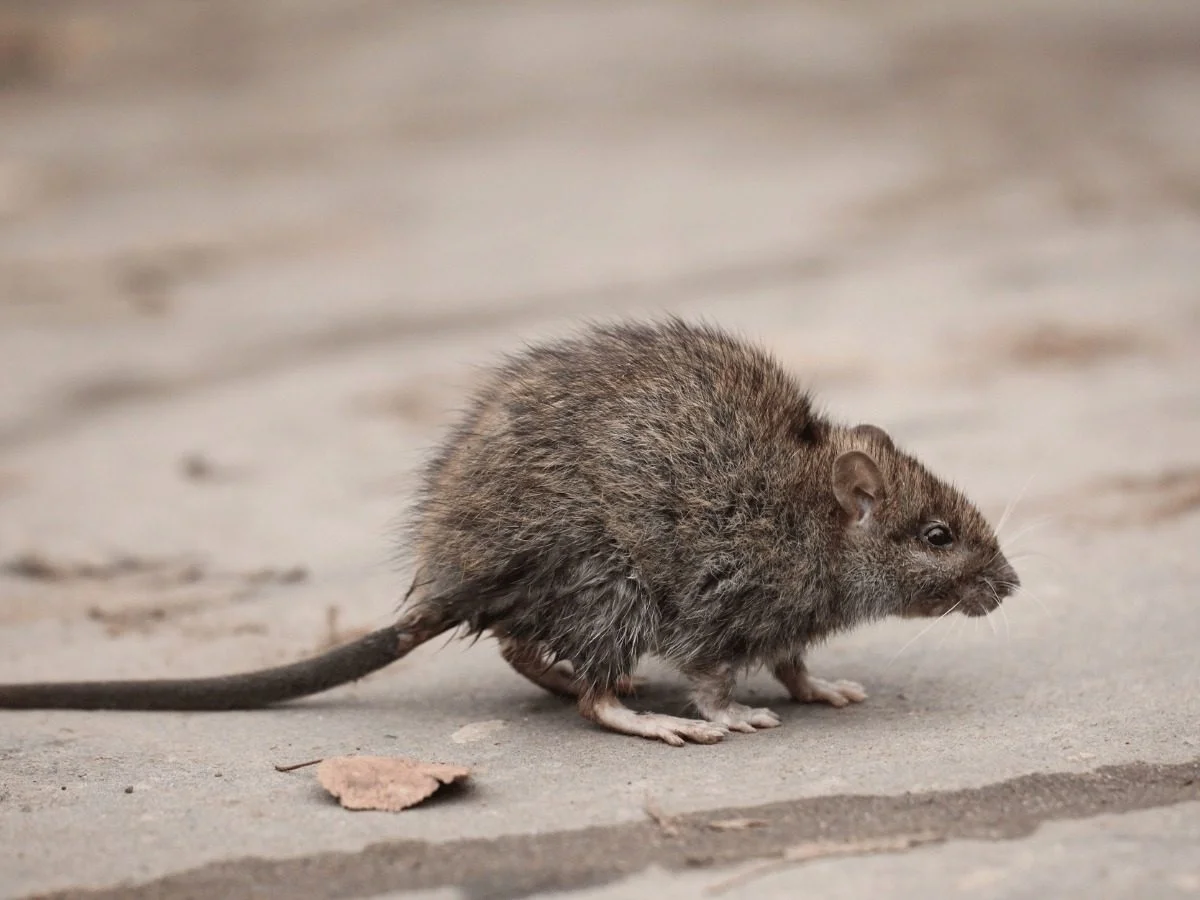
Why "under the house" is the ideal rodent habitat
A crawl space or skirted underside gives rodents everything they want in one place:
- Undisturbed shelter. Nobody goes under there, so nests grow without interruption.
- Insulation to nest in. Sub-floor insulation is nesting material and bedding in one.
- Direct access to the good stuff. Plumbing, ductwork, and wiring all run through the crawl space, and every penetration up into the floor is a potential doorway into the house.
- Stable temperature. Buffered from Odessa's brutal summer surface heat and from winter cold snaps alike — comfortable year-round.
- Ground-level entry. Foundation vents, skirting gaps, and access doors are right at the level Norway rats and mice already travel.
Left alone, a crawl space population works upward — following pipe and wire chases into wall voids, then into the kitchen, the pantry, and the attic. Clearing the underside is often what stops a whole-house problem at its root.
What we find under Odessa homes
- Norway rats — the ground-based burrowers, right at home under a house
- House mice, nesting in sub-floor insulation and running the pipe chases
- Deer mice, especially on rural and West Odessa properties and under outbuildings — the hantavirus-carrier consideration applies here, so droppings are handled wetted, never dry-swept
- Chewed wiring and ductwork — a rodent in a duct chase contaminates the air the system pushes through the house
- Torn and fallen insulation, dragged into nests and soaked with urine
- Damaged vapor barrier, where one exists
- The entry points — foundation vents with rusted or missing screens, gaps in skirting, an access door that no longer seals, and penetrations where utilities enter
Why the crawl space is uniquely worth sealing
Every dollar of exclusion works harder under the house, because you are sealing the launch pad for the entire structure.
- It is the on-ramp to your walls and attic. Seal the underside and you cut off the interior route rodents use to reach everything above it.
- It protects your systems. Plumbing, ductwork, and wiring live down there. Rodent damage to any of them is expensive and, in the case of wiring, a fire concern.
- It is a hidden air-quality issue. Air from a crawl space does move up into the house through floor penetrations and duct leaks, so contamination under the floor does not stay under the floor.
- You will never see it get bad. Unlike a kitchen or a garage, nothing warns you. The first sign is often noise in the floor or a smell — by which point the nest is established.
How we handle a crawl space
- Free inspection. We get under the structure, confirm the species, map the nesting and the runways, check the condition of insulation, ductwork, vapor barrier, and wiring, and find every entry point — foundation vents, skirting gaps, access door, utility penetrations. Detail: rodent inspection.
- Removal. Snap traps and one-way doors placed in the runways to clear the active population, before anything gets sealed shut. See rat control and mouse control.
- Exclusion. Foundation vents re-screened with galvanized steel mesh; skirting gaps closed with rigid, chew-proof material; the access door sealed to actually seal; utility penetrations packed and covered. This is the part that lasts: rodent exclusion & proofing.
- Decontamination. Droppings, urine, and nesting removed the safe way — wetted, never dry-swept — and the space disinfected and deodorized to kill the scent trail. Contaminated sub-floor insulation removed where needed. See droppings cleanup and attic cleanup & decontamination (same principles, underside instead of overhead).
- Damage flagged. Chewed wiring photographed and reported for a licensed electrician; compromised ductwork and vapor barrier noted for repair.
- Follow-up. We come back and verify zero activity rather than reduced activity, and the points we sealed get re-checked at the same time — because under a house, the honest test is whether anything has tried the underside since.
Mobile and manufactured homes, specifically
Manufactured and mobile homes are common around Odessa and the oil patch, and the skirted underside is their single biggest rodent vulnerability. The weak points are consistent: gaps and tears in the skirting, the belly board / bottom board torn open from below, floor penetrations for plumbing and wiring, and worn door and connection seals. Once rodents are inside the belly, they have insulation to nest in and a direct path up through every floor penetration.
We seal manufactured homes at the skirting and, critically, at the belly-board and floor-penetration level, because skirting alone is not enough if the underside is already open. Related, since these homes and their outbuildings often go together: commercial rodent control for shops and metal buildings on the property.
What it costs
The inspection is free, including getting under the structure — which is the part nobody else wants to do and the only way to know what the job actually is.
After that, four things move the number: how accessible the underside is (a 36-inch pier-and-beam crawl is a different day's work from an 18-inch belly), the size of the structure, the number of entry points — foundation vents, skirting, access door, utility penetrations — and the extent of contamination and insulation damage.
Removal, exclusion and decontamination are quoted as separate lines rather than one blended figure, because a crawl space can need all three or just one. Contact us for a free estimate and you will get a firm number before any work starts.
Frequently asked questions
How do I get rid of rats in my crawl space?
Clearing rats from a crawl space takes three steps in order: trap out the active population, seal every entry point — foundation vents, skirting gaps, the access door, and utility penetrations — with galvanized steel mesh and rigid chew-proof material, then decontaminate the space and remove soiled insulation. Sealing is what keeps them from re-establishing under the house.
Do homes in Odessa even have crawl spaces?
Most Odessa homes are built on a concrete slab and have no crawl space. Crawl spaces and skirted undersides are found on pier-and-beam homes, older houses, additions built up off the ground, and manufactured or mobile homes — all common enough in and around Odessa that "rodents under the house" is a real problem for a meaningful share of homeowners.
Why are rodents in my crawl space when I don't see them inside?
Because the crawl space is where they live before they move up. It is undisturbed, temperature-stable, and full of insulation to nest in, with plumbing and wire chases leading straight up into your walls and attic. Activity under the house is often the early stage of a problem you have not seen inside yet.
Can rodents in the crawl space affect my air quality?
Yes. Air moves from the crawl space up into the house through floor penetrations and duct leaks, so droppings, urine, and nesting under the floor do not stay isolated below it. This is one reason crawl space contamination is worth removing rather than ignoring.
My mobile home has rodents underneath — can you seal it?
Yes. Manufactured and mobile homes are sealed at the skirting and, importantly, at the belly-board and floor-penetration level, since skirting alone will not hold if the underside is already torn open. The floor penetrations for plumbing and wiring are the routes rodents use to get from the belly into the home.
Should the crawl space be cleaned or sealed first?
Remove the active rodents, then seal the entry points, then decontaminate. Cleaning an underside that is still open just prepares a fresh nesting site for the next ones.
Is it safe to go under my own house to check?
Crawl spaces carry a few real hazards beyond the rodents — confined space, low clearance, wiring, and the airborne risk from disturbing droppings, which should never be dry-swept. If you do look, wear gloves and respiratory protection and do not stir up dry droppings. A free inspection is the safer way to find out what is going on down there.
Do you handle outbuildings and sheds on the same visit?
Yes. Detached shops, barns, sheds, and metal buildings frequently share a rodent population with the main structure, and it is efficient to address them together. See commercial rodent control.
Main pages Rodent control in Odessa, TX·All rodent services·Exclusion & proofing·What it costs