
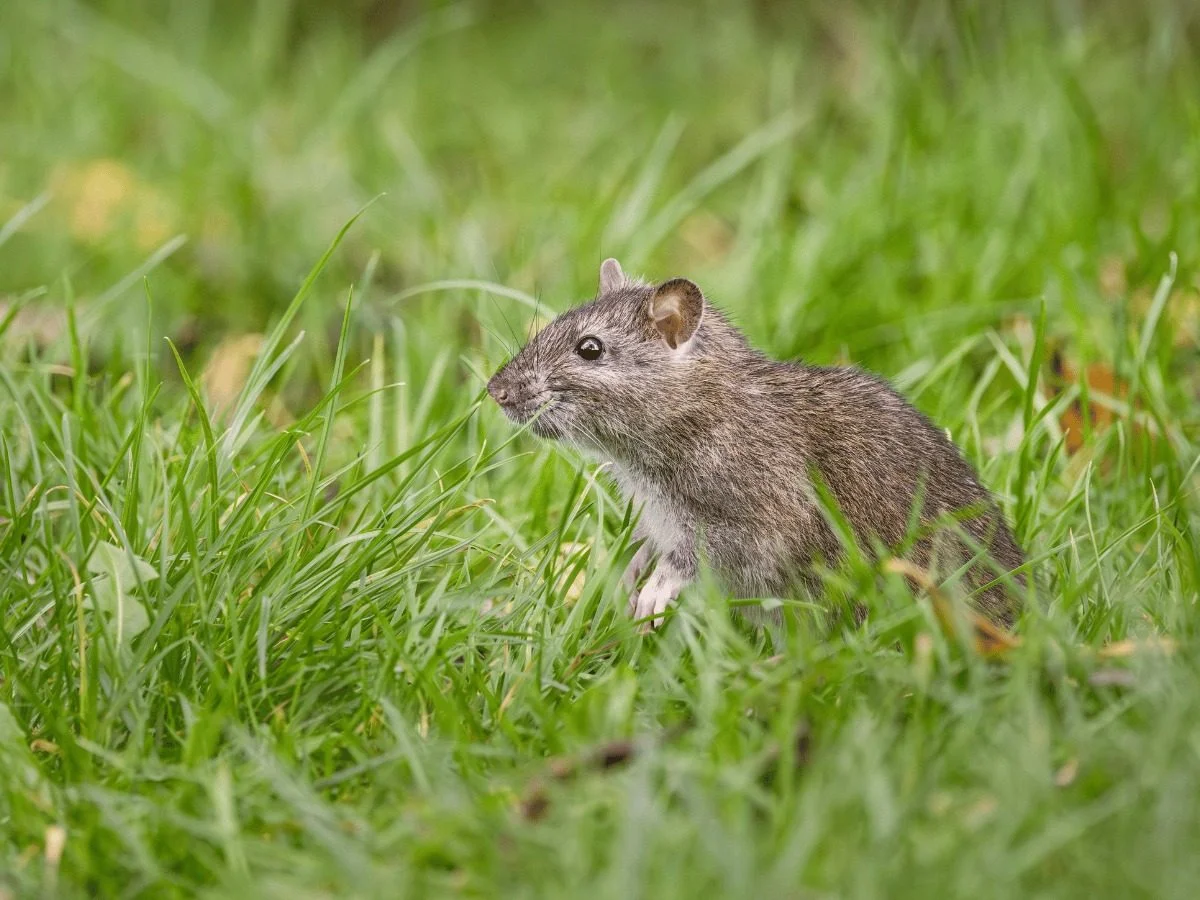
Why the condenser is such an attractive nest site
Look at it from a rodent's perspective:
- Enclosed and hidden. Coil walls on all sides, a solid top with a fan, and a base pan. Protection from hawks, owls, coyotes, and dogs.
- Off the dirt. The base pan sits above ground, out of the wet and away from ground predators.
- Warm. The unit generates heat when running and holds residual warmth after. On a Permian Basin winter night that matters.
- Shaded. Through an Odessa summer, shade and thermal shelter are exactly what rodents are looking for.
- Undisturbed. Nobody opens the condenser. A nest can go from twigs to fully established without anyone knowing.
- Wiring on tap. Low-voltage control wiring, contactor wiring, and the disconnect are all right there — soft, chewable, and useful for nesting.
- Water nearby. Condensate lines and drips supply the one thing that is genuinely scarce out here.
The main offender is the pack rat (white-throated woodrat), which builds bulky stick-and-debris nests called middens and reuses the same site year after year. Mice also nest in condenser base pans and in air handler cabinets, and Norway rats work the units at ground level. Species guide: Common Odessa Rodents »
What rodents actually damage in an HVAC system
In the outdoor condenser:
- Low-voltage thermostat and control wiring chewed through — the most common cause of "the AC just quit"
- Contactor and disconnect wiring damaged, which is a live-circuit problem
- Nesting material packed against the compressor and inside the coil, restricting airflow and forcing the system to work harder
- Bent and blocked condenser fins from nest debris
- Chewed insulation on the suction line
- Fan motor wiring damaged
- Droppings, urine, and nest material fouling the interior of the unit
Inside the house:
- Ductwork — rodents traveling flex duct leave droppings inside, and the system then circulates that contamination through every room. This is the part homeowners underestimate.
- Air handler cabinet — mice nest in the blower compartment and around the evaporator coil
- Chewed wiring at the air handler and furnace
- Insulation on the line set where it passes into the wall — which is also, not coincidentally, one of the most common rodent entry points into an Odessa home
The cost pattern: a chewed low-voltage wire is a modest repair. A damaged contactor circuit, a fouled coil, a failed compressor from restricted airflow, or full duct decontamination is a different order of magnitude. Your HVAC contractor is the one who prices that side of it — what we can tell you is the part that decides which bracket you land in. And the same as with vehicles: fix the wire, leave the nest and the habitat, and it happens again next season.
How we handle it — including what we deliberately do not do
- Free inspection. We open and inspect the condenser, check the air handler area and accessible ductwork for droppings and nesting, identify the species, and find where they are traveling from. Detail: rodent inspection.
- Nest and contamination removal. Midden, droppings, urine-soaked material, and food caches removed, and the interior of the unit cleaned. Handled wetted rather than dry-swept, because this is rodent waste. See rodent droppings cleanup.
- Trapping. Woodrats and rats are site-loyal, so removing the resident animals is what stops immediate reoccupation. Traps at the nest site and along the travel routes.
- Screening the unit — carefully. This is where doing it wrong causes expensive damage.
Airflow is not negotiable. A condenser must breathe: air is drawn in through the coil on all sides and discharged out the top. Wrapping, boxing, or screening across the coil faces or the fan discharge restricts airflow, raises head pressure, degrades efficiency, can damage the compressor, and may void the manufacturer's equipment warranty.
So we screen the base perimeter — the gap between the unit's base and the pad, which is the route rodents actually use to get in — with galvanized steel mesh, and we address the wire and refrigerant line penetrations. We do not enclose the coil, we do not block the discharge, and we do not obstruct the manufacturer's required service clearances. If a job cannot be done without compromising airflow, we say so instead of doing it anyway.
- Protect the line set penetration. Where the refrigerant lines enter the wall, the opening is almost always oversized and unsealed — a rodent entry point into your home, not just into the unit. Sealing it belongs to our core service: rodent exclusion & proofing.
- Clear the surrounding habitat. Brush, mesquite, cactus, woodpiles, and clutter within striking distance of the pad; standing water and condensate pooling; pet food and bird seed. Removing the staging area is what changes next season.
- Document the damage. We photograph chewed wiring and fouled components and give you the record so a licensed HVAC technician can quote the repair.
What we do not do: HVAC repair, electrical work, or refrigerant work. We are rodent specialists. We remove the animals and the cause, and we hand you clear documentation for your HVAC contractor. Anyone offering to do both should make you curious about which one they are actually good at.
What you can do between now and next summer
- Keep a clear zone around the condenser — pull back brush, mesquite, cactus, and weeds, and move woodpiles and stored material away from the pad. This also improves airflow, so it helps the equipment twice.
- Look inside once a season. Power off at the disconnect, lift the top panel if you can do so safely, and look. A nest at week two is a nothing; at month three it is a repair. If you are not comfortable doing it, have your HVAC tech look during the spring service call.
- Fix drips and pooling. Water is the scarcest resource out here and the strongest attractant on the property.
- Keep the line set penetration sealed where the refrigerant lines enter the wall.
- Secure pet food and bird seed.
- Do not use poison bait in or near the unit. A rodent dying inside the condenser or a duct chase gives you an odor problem circulating through the house: dead rodent removal.
- Do not wrap or box in the unit. Whatever the internet suggests. Restricting condenser airflow costs more than the rodents will.
What it costs
The inspection is free, and with an AC unit it is worth doing before anything is quoted, because what looks like one chewed wire is usually a nest with a history.
Four things move the number: how established the nest is — a woodrat that has been rebuilding on the same pad for two seasons is a bigger clear-out than a first-year occupant; the species, since woodrats and roof rats behave differently and are removed differently; the surrounding habitat, because a pad backed by mesquite and stored material needs work beyond the unit itself; and whether ductwork is involved, which is the biggest single swing on this page.
Nest removal, trapping, base screening and the line-set seal are quoted as separate lines, so a unit that only needs screening is not priced like one that needs all four. Contact us for a free estimate.
Frequently asked questions
Why are rodents nesting in my AC unit?
An AC condenser is enclosed on all sides, raised off the ground, shaded, and warm — and its low-voltage wiring makes good nesting material — so it functions as a well-protected den. In West Texas the most common occupant is the pack rat (white-throated woodrat), which builds bulky stick nests and reuses the same site year after year.
Can I put screen or wire mesh around my AC condenser?
Only around the base perimeter, and never across the coil faces or the fan discharge. A condenser draws air in through the coil on all sides and exhausts it out the top, so wrapping or boxing the unit restricts airflow, raises operating pressure, hurts efficiency, can damage the compressor, and may void the manufacturer's equipment warranty. Screening the base gap blocks the route rodents actually use without choking the unit.
How do rodents damage an air conditioner?
They chew low-voltage control wiring, contactor wiring, fan motor wiring, and suction-line insulation, and they pack nesting material into the coil and around the compressor, which restricts airflow and forces the system to overwork. Inside the house they also nest in the air handler cabinet and travel ductwork, leaving droppings the system then circulates.
Do you repair the AC wiring you find chewed?
No. We remove the rodents, the nest, and the contamination, screen the unit correctly, address the habitat, and document the damage with photos — then a licensed HVAC technician handles the repair. Rodent work and HVAC work are two different trades and you want a specialist for each.
How do I keep rats out of my AC unit?
Maintain a clear zone around the pad by removing brush, mesquite, cactus, weeds, and stored material; fix drips and condensate pooling, since water is the strongest attractant out here; keep the refrigerant line penetration sealed; secure pet food and bird seed; and check inside the unit once a season. If a population is already established, the animals have to be removed — habitat work alone will not evict a resident woodrat.
Are rodents in my ductwork a health concern?
Droppings in ductwork are worth taking seriously, because the system distributes air from those ducts into every room in the house. Rodent droppings and urine can carry disease organisms, and dried material can become airborne — which is why contaminated ducts should be assessed and cleaned rather than left in service.
Will they come back to the same unit?
If the animals and the nest are left in place, yes — and that is the defining feature of this problem. Pack rats are site-loyal and reuse a good den year after year, often rebuilding on the same pad after a nest is pulled out. That is why the work is removal, then the base screening, then the habitat around the pad. Any one of the three on its own leaves the site attractive.
Is this the same problem as rats chewing my truck's wiring?
Usually the same species and often the same population on the property. Engine bays and AC condensers are attractive for identical reasons — enclosed, sheltered, warm, and full of chewable wiring. If you have one, check for the other. See rodent vehicle wiring damage.
When does this happen most in Odessa?
We see two pressure periods: peak summer heat, when rodents seek shade and moisture, and the first cold fronts, when they seek warmth. The condenser serves both needs, so it stays a target most of the year. Detail: Odessa Rodent Seasonal Calendar.
Main pages Rodent control in Odessa, TX·Commercial rodent control·How we work·What it costs