
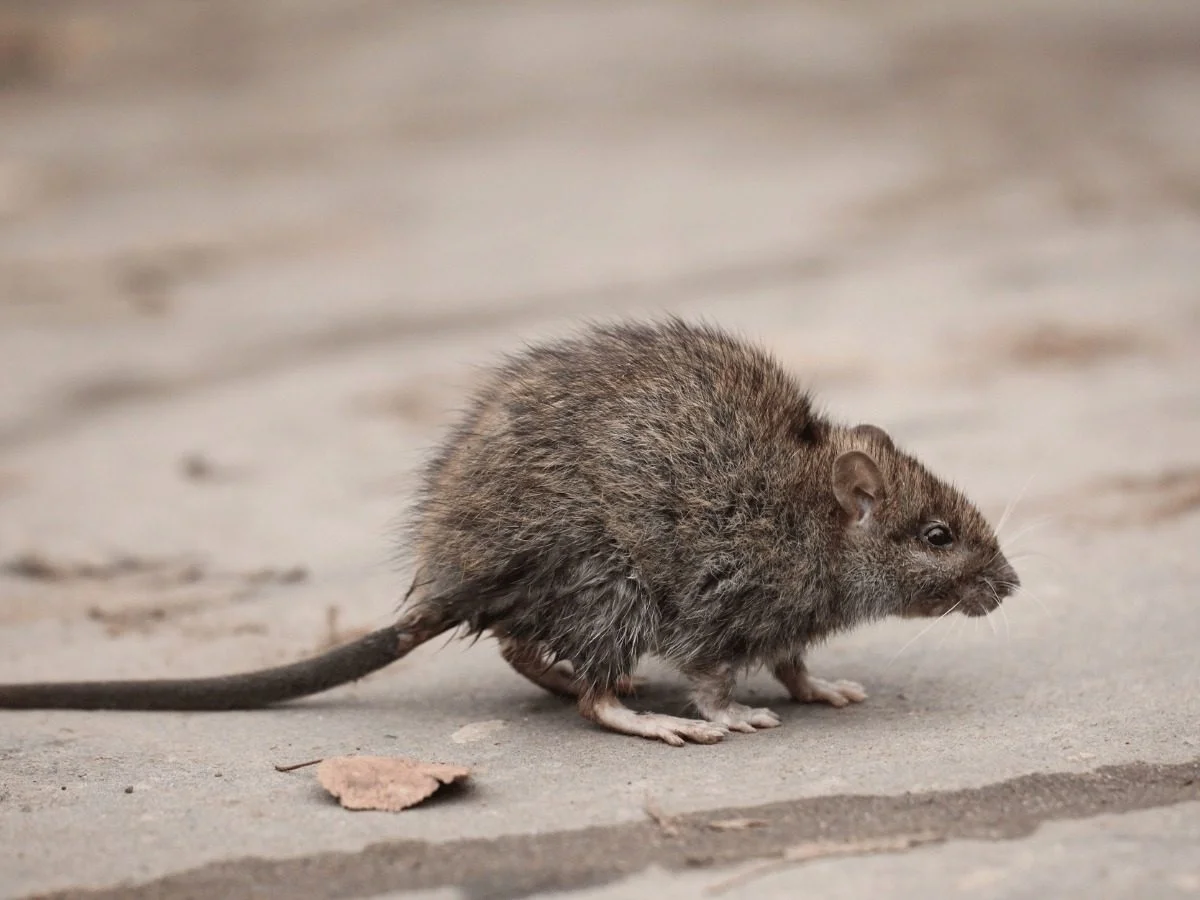
Why field facilities are so vulnerable
Nobody is there. An unmanned or lightly attended site gives rodents exactly what they need most: time. A nest that would be noticed within days in an occupied building goes undisturbed for weeks or months.
Enclosures are warm and protected. Control buildings, panel enclosures, junction boxes, VFD and motor control cabinets, and instrument huts hold heat and keep out predators and weather. In a Permian Basin winter, a warm enclosure in open country is the best real estate for miles.
Penetrations everywhere, sealed for weather at best. Conduit entries, cable trays, gland plates, drain penetrations, vents, cable glands, and floor penetrations — most are weather-sealed if anything, and weather-sealing is not rodent-sealing. Rodents need a ½-inch gap; a conduit penetration with a missing seal is a wide-open door.
The surrounding habitat is native. These sites sit in mesquite, caliche, and open range — the natural home of the pack rat (white-throated woodrat), plus deer mice, cotton rats, and Norway rats. You are not dealing with an infestation that came from somewhere; you are dealing with resident rodent populations pressing against your structures continuously.
Chewable material is the point. Instrumentation and control wiring, signal cable, thermal insulation, and gasket material are all excellent nesting stock.
Water and food congregate. Man camps, lunchrooms, trash areas, and waste bins concentrate resources in otherwise dry country, and everything within range of them comes looking.
Where we find rodents on Permian Basin sites
- Control buildings and instrument huts — nests in cable trays, under raised floors, behind panels, in ceiling voids
- Control panels, RTU and SCADA enclosures, junction boxes — the highest-consequence location, where a single chewed conductor is a shutdown
- MCC rooms, VFD cabinets, and switchgear enclosures
- Pump houses and pump-jack skids — motor enclosures, conduit runs, junction boxes
- Tank batteries — stairways, catwalks, skid frames, insulation, and heater treater areas
- Compressor stations and buildings — warm enclosures, a strong attractant in winter
- Metering and LACT skids — instrumentation and signal cable
- Chemical sheds, tool and equipment sheds, connexes, and sea containers
- Man camps and crew housing — kitchens, laundry, bunk units, and the skirted underside of modular buildings
- Field offices, lunchrooms, and change houses
- Parked equipment and fleet vehicles — trucks, service rigs, and idle equipment. Same animal, same problem: rodent vehicle wiring damage
- Modular and skid-mounted buildings — the underside and floor penetrations are the weak point, same as manufactured housing: crawl space & underside rodent control
What it actually costs an operator
- Unplanned downtime. The dominant cost, and the reason this is worth budgeting for. A rodent-caused fault on a producing site is measured in lost production, not in pest control invoices.
- Misdirected diagnostics. A chewed signal wire produces symptoms that look like an instrument or comms failure. Crews chase the wrong fault before anyone opens the panel and finds the nest.
- Repeat failures. Fix the conductor, leave the nest and the open penetration, and you will be back — often on the same site.
- Truck rolls to remote locations. Every avoidable trip to a distant site is windshield time, fuel, and a technician who was needed elsewhere.
- Fire and electrical risk. Damaged insulation on live conductors inside a nest of dry vegetation is a genuine hazard, and one that shows up in incident reviews.
- Contamination and hygiene at manned facilities. Rodent droppings in a man camp kitchen or lunchroom is a health issue with a personnel consequence, not just a pest issue.
- Insulation and gasket damage on equipment and buildings.
How we work oilfield sites
- Free facility assessment. We survey each structure and enclosure, identify the species, locate nesting and travel routes, and map every penetration and gap. You get written findings with photos and a firm quote before work starts.
- Enclosure and structure exclusion — the core work. Conduit and cable penetrations sealed, gland plates and cable entries addressed, vents and louvers screened with galvanized steel mesh, floor and drain penetrations closed, door seals and sweeps corrected, and skirting and underside gaps sealed on modular buildings. Sealing the enclosure is what prevents the shutdown, and it is the step a general pest route will never perform.
- Removal of the resident population. Trapping at the nest sites and along the travel routes, so the animal comes out of the enclosure instead of dying inside one you depend on.
- Nest and contamination removal. Middens, droppings, urine-soaked material, and nesting cleared from enclosures and buildings, handled wetted rather than dry-swept. See droppings cleanup.
- Habitat management around structures. A cleared, maintained buffer around buildings and enclosures — brush, mesquite, weeds, debris, pallets, and stored material pulled back. On a site surrounded by native habitat, the buffer is the difference between constant pressure and manageable pressure.
- Waste and food discipline at manned sites. Trash, bins, lunchroom and kitchen handling — the single largest driver of rodent pressure at a man camp.
- Scheduled monitoring on the sites that need it. Remote and unmanned locations are exactly where recurring inspection earns its cost, because the alternative is discovering the problem when something fails. What that schedule should look like for your sites is worth settling at the assessment rather than assuming.
- Written findings, per site. Each location gets its own record rather than one blended report, so a site with a developing problem is visible instead of averaged away. Tell us what your maintenance, HSE or integrity program needs to receive and we will confirm the format before the first visit.
What we do not do: electrical work, panel work, hot work, or repairs inside energized equipment. We work to your site rules and escort requirements, we do not open what we are not authorized to open, and we do not enter classified or hazardous areas outside our qualifications. We remove the animals, seal the penetrations we are cleared to seal, and document what we find so your electricians and I&E techs handle the rest.
Multi-site and remote operators
If you are responsible for facilities scattered across the counties around Odessa, the practical problems are travel, consistency, and knowing which site is worst.
- Per-site records so each location has its own history rather than one blended report
- Prioritized findings — which sites need exclusion now and which can wait, so a budget goes where it does the most good
- Priority for a site with an active fault or an imminent shutdown. We are available 24/7; say that on the call and it changes the order of the day.
- We are based in Odessa, which means field response here is local, not dispatched from Dallas or Houston
Tell us where the sites actually are when you call. We would rather be straight about what we can cover than take on a route we cannot service properly.
Frequently asked questions
Do you provide rodent control for oilfield facilities?
Yes. We work on control buildings, control panels and RTU/SCADA enclosures, pump houses, tank batteries, compressor stations, metering skids, chemical and tool sheds, field offices, and man camps — exclusion-led, with per-site findings and priority for a site that has an active fault. We are based in Odessa; tell us where the facility is when you call and we will tell you plainly whether we can cover it.
Why do rodents get into control panels and electrical enclosures?
Control panels and enclosures are warm, dry, enclosed, and undisturbed, which makes them excellent den sites — and conduit entries, cable glands, and gland plates that were sealed only against weather leave gaps large enough for a rodent to pass through. Once inside, rodents chew wiring for nesting material and to wear down continuously growing incisors, which is how a nest becomes a shutdown.
Can rodent damage cause an oilfield shutdown?
Yes, and it is more common than most operators realize. A single chewed conductor in an instrumentation or control circuit can take a site down, and because the symptoms present as an instrument or communications fault, crews often spend diagnostic time elsewhere before anyone opens the enclosure and finds the nest.
Do you do electrical repairs inside the panels?
No. We remove the rodents, the nest, and the contamination, seal the penetrations we are authorized to seal, and document the damage with photos — then your electricians or I&E technicians handle any repair inside energized equipment. We work to your site rules and escort requirements and do not open equipment we are not cleared to open.
Are you set up to work on operator sites?
We work to your site rules, your access process and your escort requirements, and we do not open equipment we are not cleared to open. Vendor onboarding differs from one operator to the next, so tell us what your process requires when you call and we will go through it with you directly rather than guess at it from a web page.
How do you keep rodents out of a remote unmanned site?
The only approach that works on an unmanned site is physical exclusion plus a maintained buffer, because there is nobody present to notice a developing problem. That means sealing every conduit, cable, vent, drain, and floor penetration with chew-proof material, correcting door seals, keeping vegetation and debris cleared back from structures, and scheduling periodic inspection — since on a remote site the alternative to monitoring is finding out when something fails.
What rodents are we dealing with out in the field?
Primarily the pack rat (white-throated woodrat), which builds bulky stick-and-debris nests and reuses the same site, along with deer mice, cotton rats, and Norway rats. These are native species living in the surrounding mesquite and open range, so field sites face continuous pressure rather than a one-time infestation — which is why sealing the structures matters more than treating the ground around them.
Do you handle man camps and crew housing?
Yes. Man camps concentrate food, water, and waste in otherwise dry country, which makes them the strongest rodent attractant on many sites. Work covers kitchens, laundry, bunk units, waste handling, and the skirted underside of modular buildings — where the floor penetrations are the route rodents use to get inside.
Can you cover multiple sites across several counties?
Tell us where they are and we will give you a straight answer rather than a map with a circle on it. Being based in Odessa puts us central to the operations around Ector County, so field response here is local rather than dispatched from out of region — but which specific sites we take on is a conversation, not a blanket claim.
How fast can you respond to a site with an active problem?
Fast response with 24/7 availability. Call (432) 319-8327 at any hour and tell us if a site is down or a shutdown is imminent — that changes the priority.
Main pages Rodent control in Odessa, TX·Commercial rodent control·How we work·What it costs